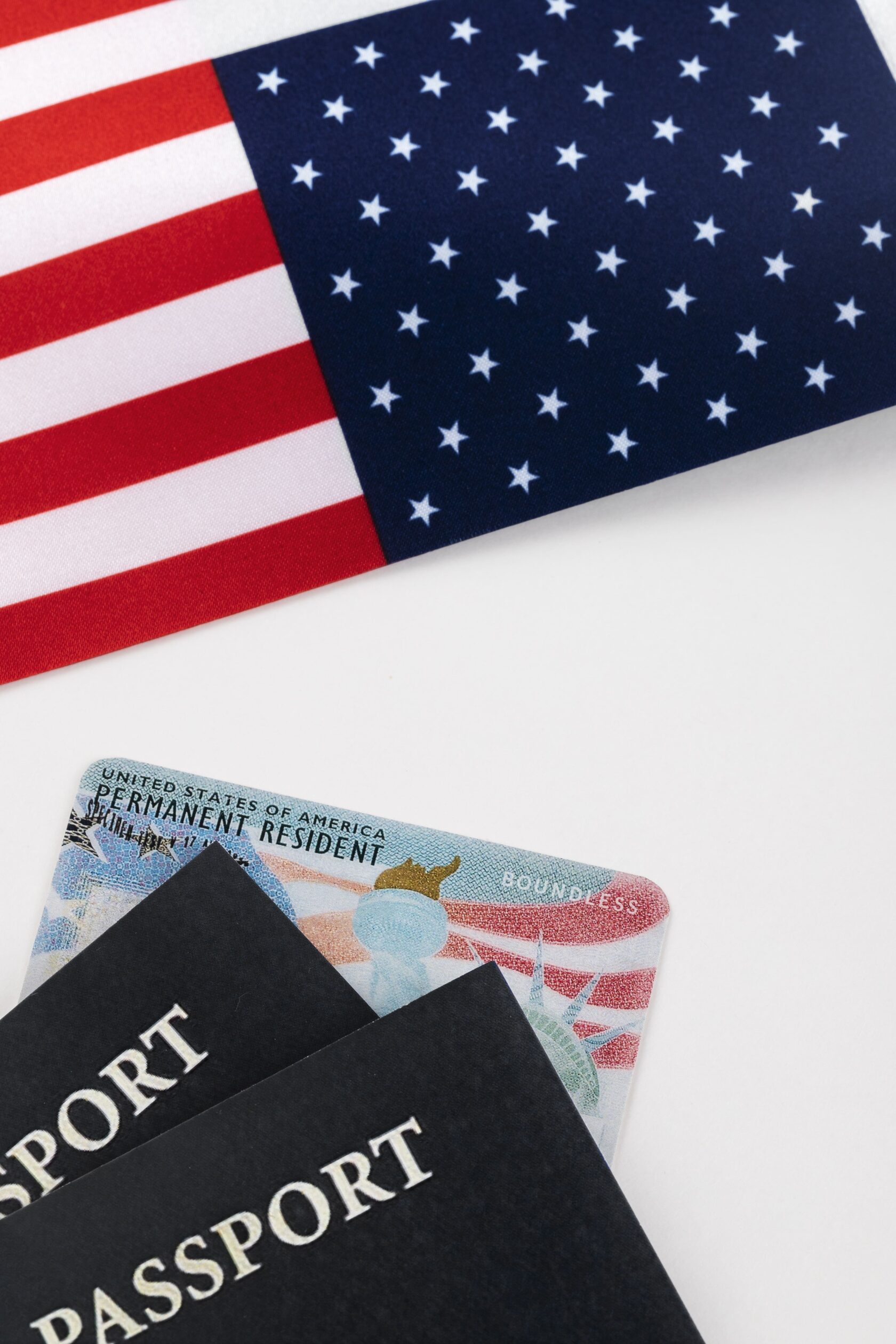
For talented professionals, entrepreneurs, and researchers who dream of building their careers in the United States, the EB-2 National Interest Waiver (NIW) offers a unique and flexible path.
Unlike most U.S. employment-based visas, the EB-2 NIW allows you to self-petition — meaning you don’t need a U.S. employer to sponsor you.
It’s designed for people whose work benefits the United States at a national level — whether through innovation, research, healthcare, technology, or other high-impact fields.
At Relocode, we help qualified professionals navigate this process with confidence.
This guide breaks down everything you need to know about the EB-2 NIW visa — including eligibility, benefits, required evidence, and how it compares to other visa options.
The EB-2 NIW falls under the broader EB-2 visa category, which is for professionals who meet one of two general qualifications:
1. Advanced Degree
You must hold:
This category is ideal for professionals, researchers, engineers, physicians, and educators with significant academic and career achievements.
2. Exceptional Ability
If you don’t hold an advanced degree, you may still qualify by showing “exceptional ability” — a level of expertise significantly above that ordinarily encountered in your field.
You must meet at least three of the following six criteria set by USCIS:
In most EB-2 cases, a U.S. employer must sponsor you and obtain a PERM Labor Certification — proving no qualified U.S. worker is available for the position.
The National Interest Waiver (NIW) removes this requirement.
To qualify for the waiver, you must prove that your work is in the national interest of the United States.
USCIS uses a three-pronged test, derived from the landmark Matter of Dhanasar case (2016):
The NIW category offers unmatched flexibility for skilled professionals and innovators.
You can self-petition, giving you full independence. You don’t need a job offer, sponsorship, or labor certification.
Once approved, you can change employers, start your own business, or conduct research — as long as it aligns with your area of expertise.
The NIW often avoids the long backlogs of other categories. For many nationalities, visas are “current” — meaning no waiting period.
Your spouse and unmarried children under 21 can obtain permanent residence with you.
While your application is pending, you can apply for EAD (Employment Authorization Document) and Advance Parole to work and travel legally.
After five years as a permanent resident, you can apply for U.S. citizenship.
A persuasive NIW petition focuses on impact, national benefit, and credentials.
Here’s what typically goes into a successful application:
1. Proof of Advanced Degree or Exceptional Ability
2. Evidence of National Importance
3. Proof That You’re Well Positioned
4. Proof That the U.S. Benefits from Waiving the Labor Certification
The EB-2 NIW process generally includes the following stages:
Comparison: EB-2 NIW vs. Other Visa Options
Unlike most U.S. employment-based visas, the EB-2 NIW allows you to self-petition — meaning you don’t need a U.S. employer to sponsor you.
It’s designed for people whose work benefits the United States at a national level — whether through innovation, research, healthcare, technology, or other high-impact fields.
At Relocode, we help qualified professionals navigate this process with confidence.
This guide breaks down everything you need to know about the EB-2 NIW visa — including eligibility, benefits, required evidence, and how it compares to other visa options.
Eligibility: Advanced Degree or Exceptional Ability
The EB-2 NIW falls under the broader EB-2 visa category, which is for professionals who meet one of two general qualifications:
1. Advanced Degree
You must hold:
- A U.S. master’s degree or higher, or
- A foreign equivalent, or
- A bachelor’s degree plus at least five years of progressive work experience in your field.
This category is ideal for professionals, researchers, engineers, physicians, and educators with significant academic and career achievements.
2. Exceptional Ability
If you don’t hold an advanced degree, you may still qualify by showing “exceptional ability” — a level of expertise significantly above that ordinarily encountered in your field.
You must meet at least three of the following six criteria set by USCIS:
- Official academic records showing a degree, diploma, or certificate related to your field.
- Letters documenting 10 years of full-time professional experience.
- A professional license or certification to practice your occupation.
- Evidence of a high salary or remuneration demonstrating exceptional value.
- Membership in professional associations that require outstanding achievements.
- Recognition from peers, government entities, or professional organizations for notable contributions to your industry.
What Makes NIW Different? The “Waiver” Explained
In most EB-2 cases, a U.S. employer must sponsor you and obtain a PERM Labor Certification — proving no qualified U.S. worker is available for the position.
The National Interest Waiver (NIW) removes this requirement.
To qualify for the waiver, you must prove that your work is in the national interest of the United States.
USCIS uses a three-pronged test, derived from the landmark Matter of Dhanasar case (2016):
- Substantial Merit and National Importance – Your work has significant potential to benefit the U.S. in areas such as health, education, technology, culture, or the economy.
- Well Positioned to Advance the Endeavor – You have a strong record of achievements, skills, and a plan to make a meaningful impact in your field.
- Benefit to the U.S. – It’s in the country’s interest to waive the job offer and labor certification because your contributions outweigh any potential need to test the labor market.
Waiver Benefits: Why EB-2 NIW Stands Out
The NIW category offers unmatched flexibility for skilled professionals and innovators.
- No Employer Required
You can self-petition, giving you full independence. You don’t need a job offer, sponsorship, or labor certification.
- Freedom to Work in Any Field
Once approved, you can change employers, start your own business, or conduct research — as long as it aligns with your area of expertise.
- Faster Green Card Path
The NIW often avoids the long backlogs of other categories. For many nationalities, visas are “current” — meaning no waiting period.
- Family Inclusion
Your spouse and unmarried children under 21 can obtain permanent residence with you.
- Work and Travel Authorization
While your application is pending, you can apply for EAD (Employment Authorization Document) and Advance Parole to work and travel legally.
- Path to Citizenship
After five years as a permanent resident, you can apply for U.S. citizenship.
Evidence Needed: Building a Strong NIW Petition
A persuasive NIW petition focuses on impact, national benefit, and credentials.
Here’s what typically goes into a successful application:
1. Proof of Advanced Degree or Exceptional Ability
- Diplomas, transcripts, and credential evaluations.
- Employment verification letters.
- Professional licenses or certifications.
2. Evidence of National Importance
- Publications, patents, or conference presentations.
- Media coverage of your work or its applications.
- Documentation of your contributions to projects with national or societal impact.
- Government reports or independent expert opinions confirming relevance to U.S. interests.
3. Proof That You’re Well Positioned
- Letters from leading professionals or organizations confirming your achievements and future potential.
- Evidence of past success — such as funding, leadership roles, or product development.
- A detailed personal statement or business plan outlining your proposed endeavor in the U.S.
4. Proof That the U.S. Benefits from Waiving the Labor Certification
- Arguments showing that your work cannot easily be replicated by others.
- Data showing its economic, technological, or social importance.
Timeline: From Filing to Green Card
The EB-2 NIW process generally includes the following stages:
- Form I-140 (Immigrant Petition for Alien Worker)
- Filed with USCIS as your primary petition.
- Regular processing: 12–16 months (average). available for $1015
- Premium Processing: available for an additional $2,805, guaranteeing a decision within 15 business days.
- Form I-485 (Adjustment of Status)
- Filed if you’re already in the U.S. and your priority date is current.
- Can be filed concurrently with Form I-140.
- Includes biometrics and optional EAD/Advance Parole.
- Consular Processing (If Abroad)
- Conducted through the National Visa Center (NVC) and the U.S. embassy or consulate in your home country.
- Interview typically scheduled 6–12 months after I-140 approval.
- Green Card Approval
- Once your adjustment or consular interview is complete, you receive permanent residency.
Comparison: EB-2 NIW vs. Other Visa Options
EB-1A is best for applicants with international recognition. EB-2 NIW, however, suits professionals with strong credentials and clear national benefit, even if they’re not world-famous.
Can I apply for EB-2 NIW while I’m in the U.S.?
Yes. If you’re in valid visa status (F-1, H-1B, O-1, etc.), you can file Form I-485 once your I-140 is submitted and your priority date is current.
Do I need a job offer or employer sponsor?
No. That’s the key advantage of the NIW — you can self-petition.
How long does the entire process take?
Typically 12–24 months from start to green card approval, depending on whether you choose premium processing and where you apply.
Can my family apply with me?
Yes. Your spouse and unmarried children under 21 qualify as derivative beneficiaries.
What are common reasons for denial?
Weak evidence of national importance, insufficient expert letters, or unclear future plans. Working with experienced immigration counsel helps prevent these issues.
Is premium processing worth it?
If you want a faster decision on the I-140, yes. It guarantees a 15-day turnaround but does not affect approval chances.
At Relocode, we’ve helped countless professionals, scientists, and innovators secure their EB-2 NIW approvals.
Our team of licensed U.S. immigration attorneys handles every step — from eligibility evaluation to final relocation.
Your expertise matters — and the United States recognizes that.
Start your journey toward permanent residency today with the EB-2 NIW visa.
FAQs: Frequently Asked Questions About the EB-2 NIW
Can I apply for EB-2 NIW while I’m in the U.S.?
Yes. If you’re in valid visa status (F-1, H-1B, O-1, etc.), you can file Form I-485 once your I-140 is submitted and your priority date is current.
Do I need a job offer or employer sponsor?
No. That’s the key advantage of the NIW — you can self-petition.
How long does the entire process take?
Typically 12–24 months from start to green card approval, depending on whether you choose premium processing and where you apply.
Can my family apply with me?
Yes. Your spouse and unmarried children under 21 qualify as derivative beneficiaries.
What are common reasons for denial?
Weak evidence of national importance, insufficient expert letters, or unclear future plans. Working with experienced immigration counsel helps prevent these issues.
Is premium processing worth it?
If you want a faster decision on the I-140, yes. It guarantees a 15-day turnaround but does not affect approval chances.
Start Your NIW Journey with Relocode
At Relocode, we’ve helped countless professionals, scientists, and innovators secure their EB-2 NIW approvals.
Our team of licensed U.S. immigration attorneys handles every step — from eligibility evaluation to final relocation.
Your expertise matters — and the United States recognizes that.
Start your journey toward permanent residency today with the EB-2 NIW visa.